Consulate of Montenegro in Lebanon

Discover

Montenegro

A land stunning natural beauty, rich history, and vibrant culture

Native Name

Crna Gora (Црна Гора)

Capital

Podgorica

Government

Parliamentary Republic

Independence Day

May 21, 2006

Languages

Montenegrin (official), Serbian, Bosnian, Albanian, Croatian

Population

620,739 (2023 est.)

Calling Code

+382

Time Zone

CET (UTC +1) / CEST (UTC +2)

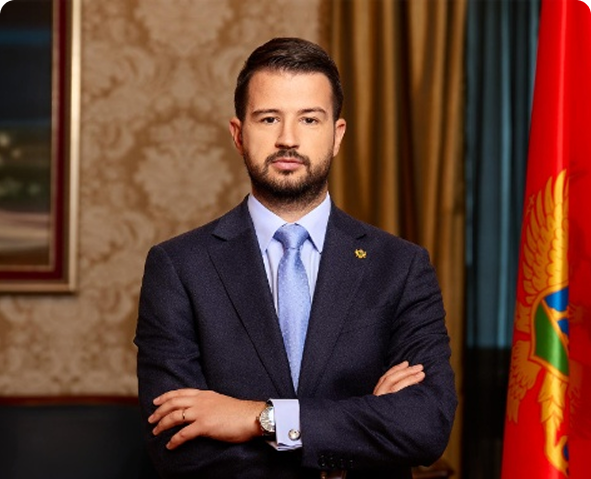
President Jakov Milatović

Podgorica

Euro €

Montenegrin

+382

CET (UTC +1)
CEST (UTC +2)

President Jakov Milatović

President

Jakov Milatović

Geography

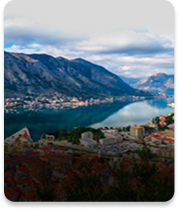
Montenegro’s diverse landscape from Adriatic coast to mountain peaks

Area

Total: 13,812 km²
Land: 13,452 km²
Water: 360 km²

Location

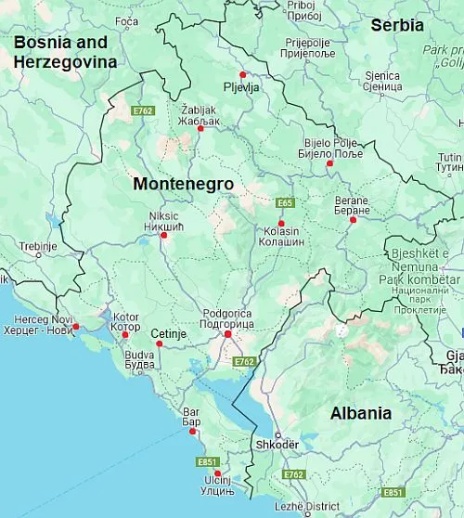
Southeastern Europe, Balkan
Peninsula
Borders: Serbia, Bosnia &
Herzegovina, Croatia, Albania, Kosovo
Coastline: 293.5 km on the Adriatic
Sea

Terrain

Highly varied: coastal plains, limestone peaks, karst formations
Highest peak: Bobotov Kuk (2,522 m)
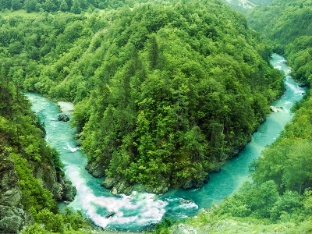
Major features: Durmitor, Lovćen, Prokletije mountains

Economy

A growing economy with diverse sectors and investment opportunities

Key Industries

Economic Indicators

GDP (2023)

GDP per capita:
$10,500

$6.5B

GDP Growth

Annual growth rate

+6.1%

Currency

Official currency

Euro (€)

Unemployment

Labor market indicator

14.5%

Investment Opportunities

EU candidate status provides a stable investment climate and access to European markets.

Climate

Coastal Region

Mediterranean climate with hot, dry summers and mild, wet winters;

Average summer temperature: 27°C

Central Plains

Continental climate with warm summers and cold winters;
Moderate precipitation throughout the year

Mountain Region

Alpine climate with cold, snowy winters and mild summers; Heavy snowfall ideal for winter sports

History & Culture

A rich tapestry of civilizations, traditions, and architectural heritage.

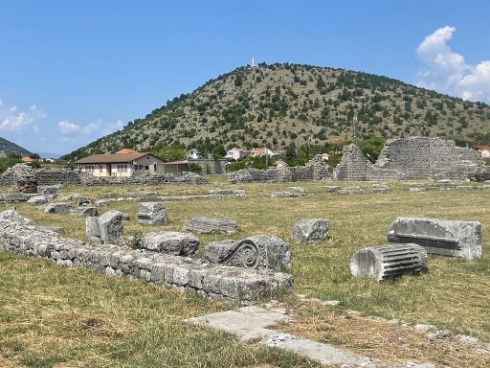
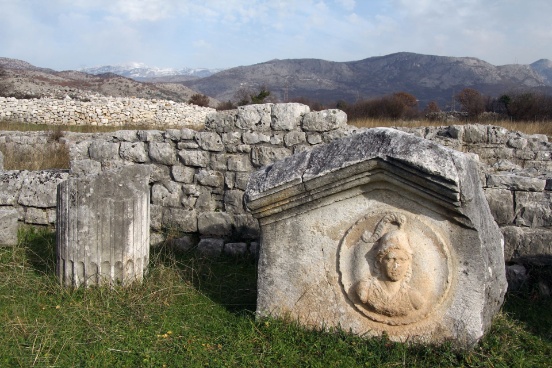
Ancient period image 1 Ancient period image 2

Architecture

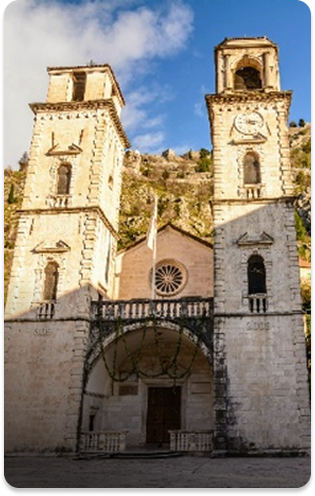
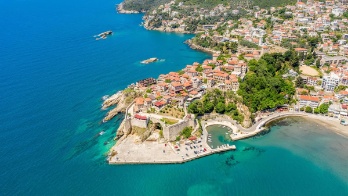
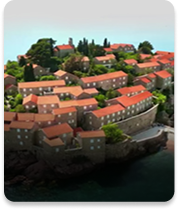
Montenegro’s architecture reflects its diverse history, blending Venetian, Ottoman,
Austro-Hungarian, and modernist influences. From medieval fortifications to Baroque churches
and contemporary structures, the built environment tells the story of cultural crossroads.

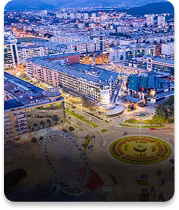
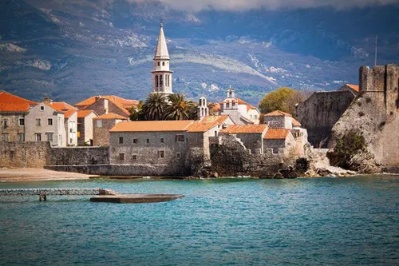
Montenegro’s architecture mixes historic and modern styles, reflecting its rich cultural heritage.

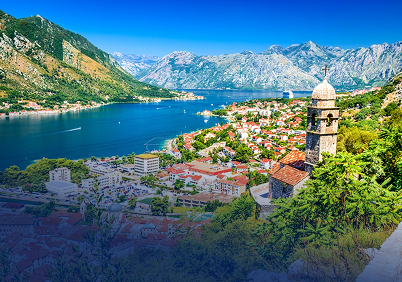
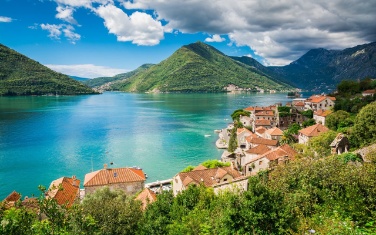
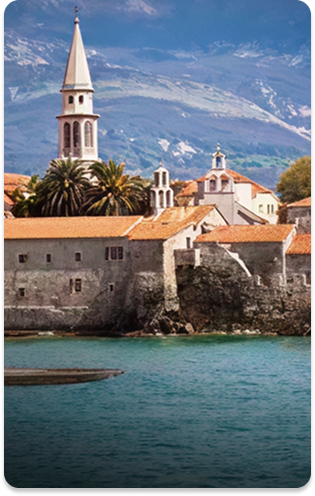
Venetian Style

Coastal fortifications and palaces

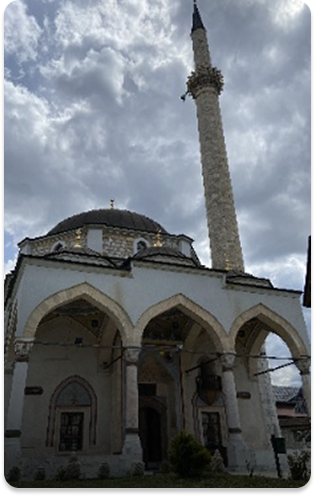
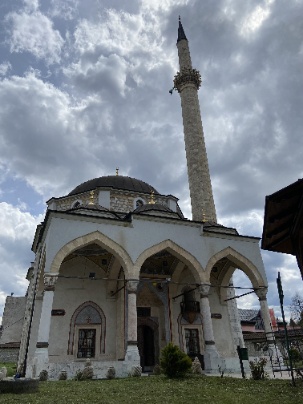
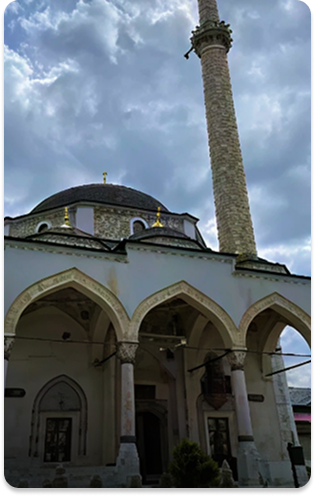
Ottoman Heritage

Mosques and traditional houses

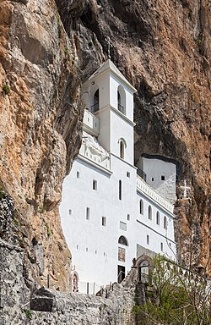
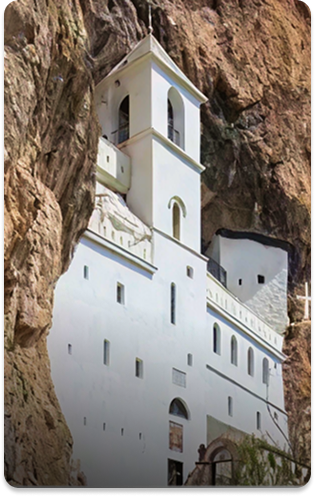
Orthodox Churches

Byzantine-style monasteries

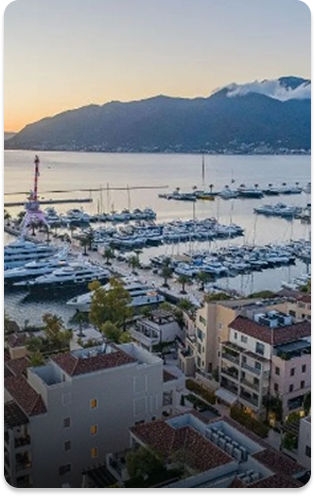
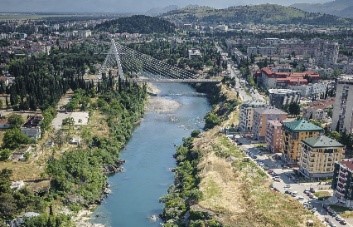
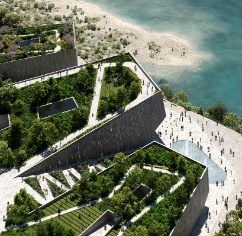
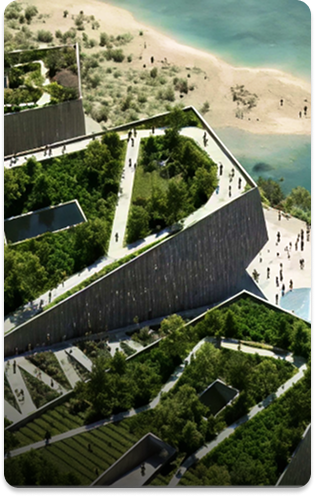
Modern Design

Contemporary structures